
HOW IT WORKS
The AI Investigation Layer for Modern SOC Operations
PULZARIS turns fragmented security signals into a structured, AI-powered investigation workflow. It automates triage, enriches incidents with context, maps related entities, applies threat intelligence, and helps analysts move faster from detection to validated action – without losing control.
Built for modern SOC operations, the platform combines AI-driven analysis with contextual enrichment and human validation to reduce noise, accelerate investigations, and deliver transparent, actionable outputs.

THE PULZARIS AI PLATFORM
See the investigation. Not just the alert
Go inside PULZARIS Analyst Agent and see how AI turns scattered security signals into a clear picture of an incident.
01 / SOC OVERVIEW
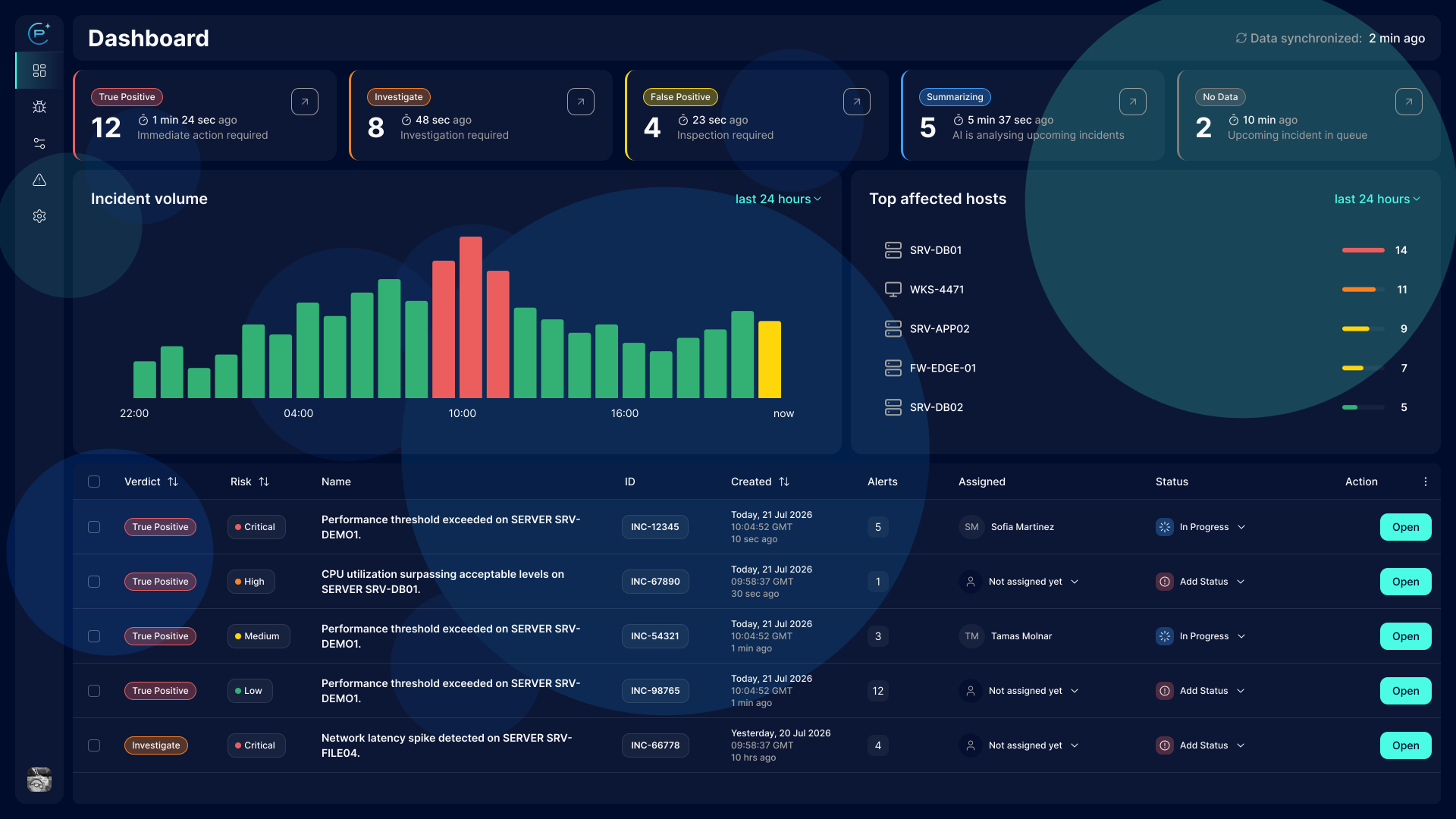
Know where to focus. Instantly.
Get a clear view of your security landscape without digging through endless alerts. PULZARIS brings incident status, risk levels, and investigation results into one place, helping analysts identify what needs attention first.
02 / OPERATIONAL VISIBILITY
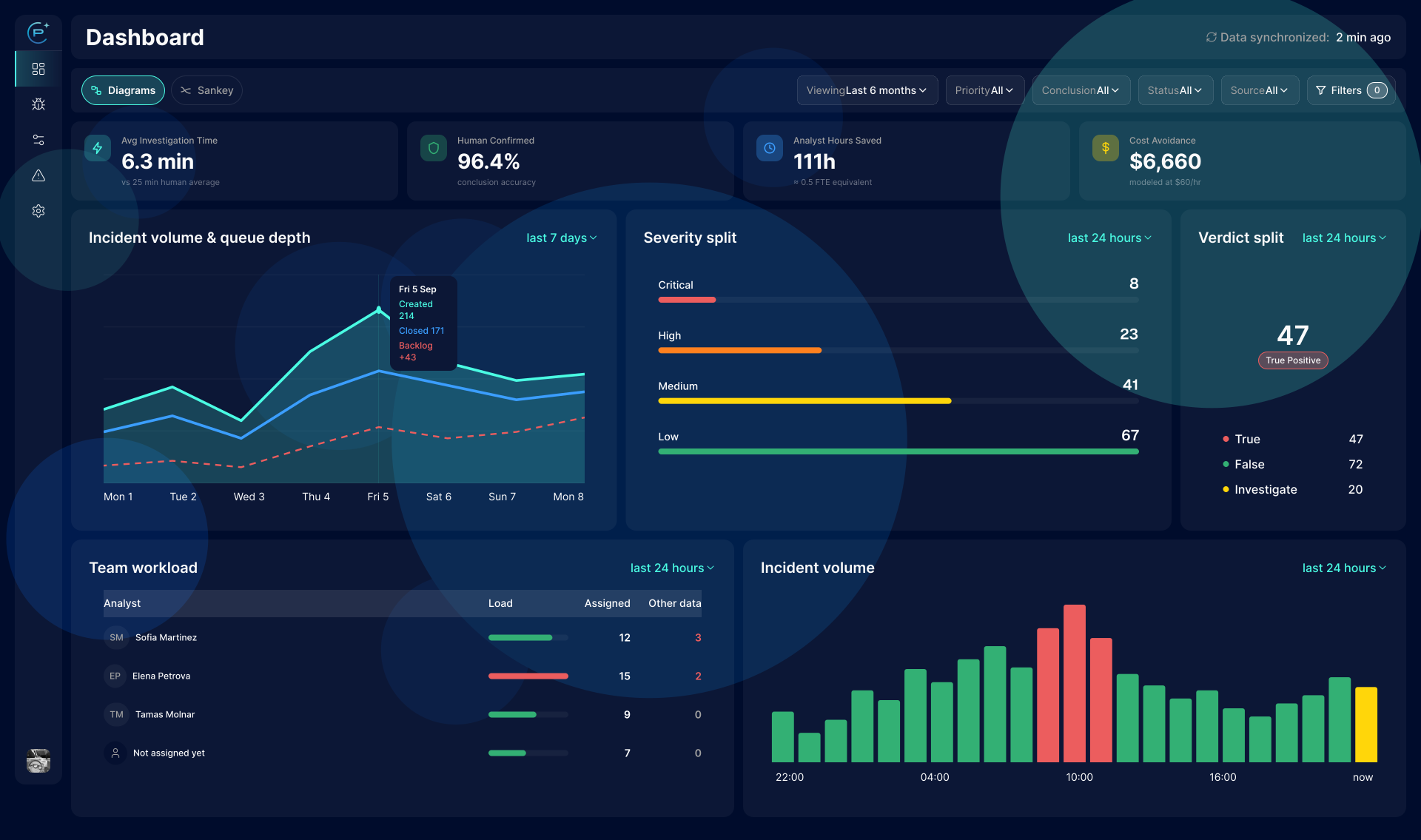
See the workload. Understand the risk.
Move beyond alert counts. Explore incident trends, investigation outcomes, and risk distribution to understand what is happening across your SOC and where your team’s attention can make the greatest difference.
02 / OPERATIONAL VISIBILITY
See the workload. Understand the risk.
Move beyond alert counts. Explore incident trends, investigation outcomes, and risk distribution to understand what is happening across your SOC and where your team’s attention can make the greatest difference.
03 / INCIDENT TRIAGE
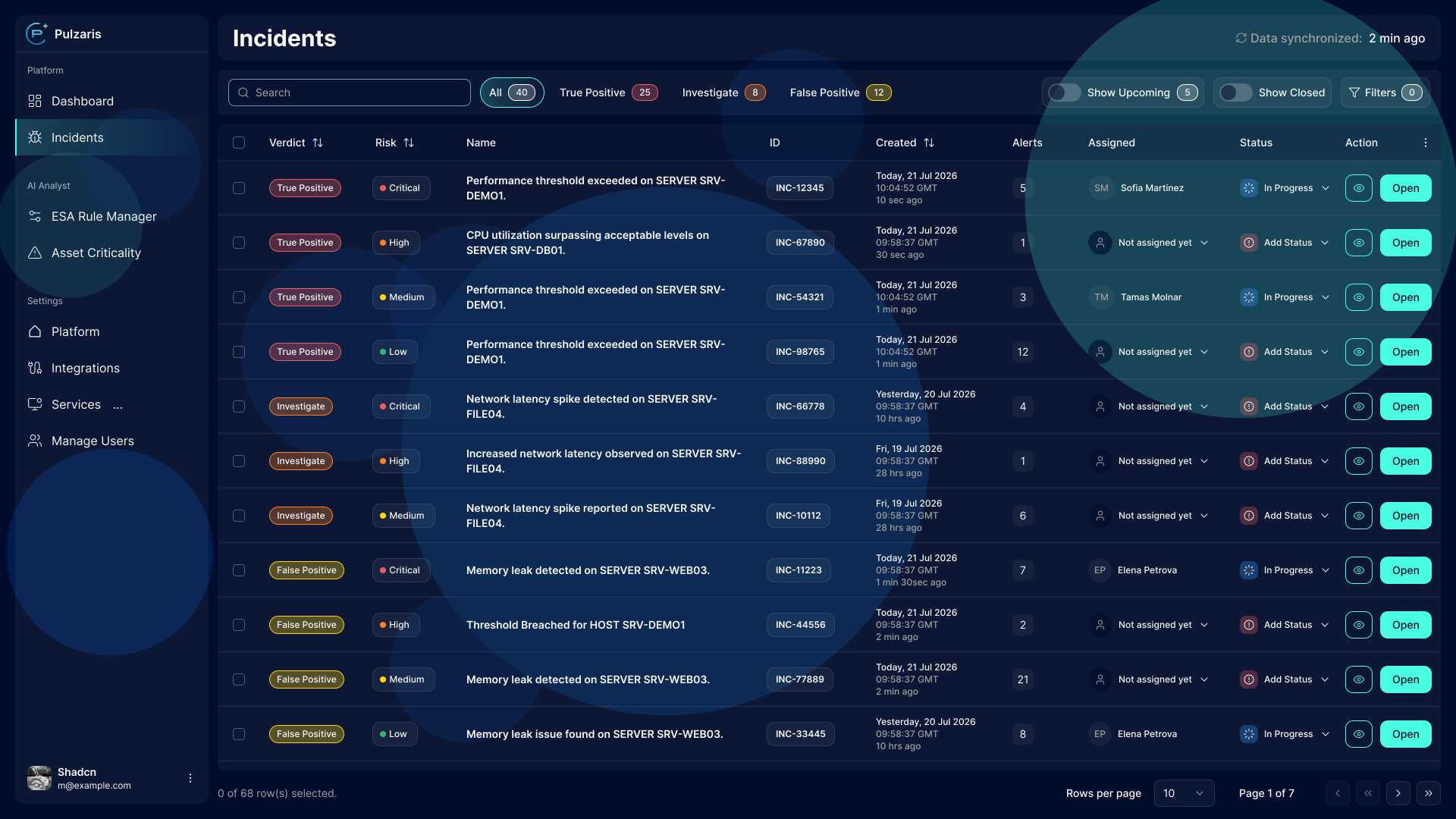
Less searching. More understanding.
Every incident comes with more than a severity label. PULZARIS organizes AI-generated assessments and key findings into a structured incident view, so analysts can move quickly from a list of alerts to the cases that deserve a closer look.
04 / AI INVESTIGATION
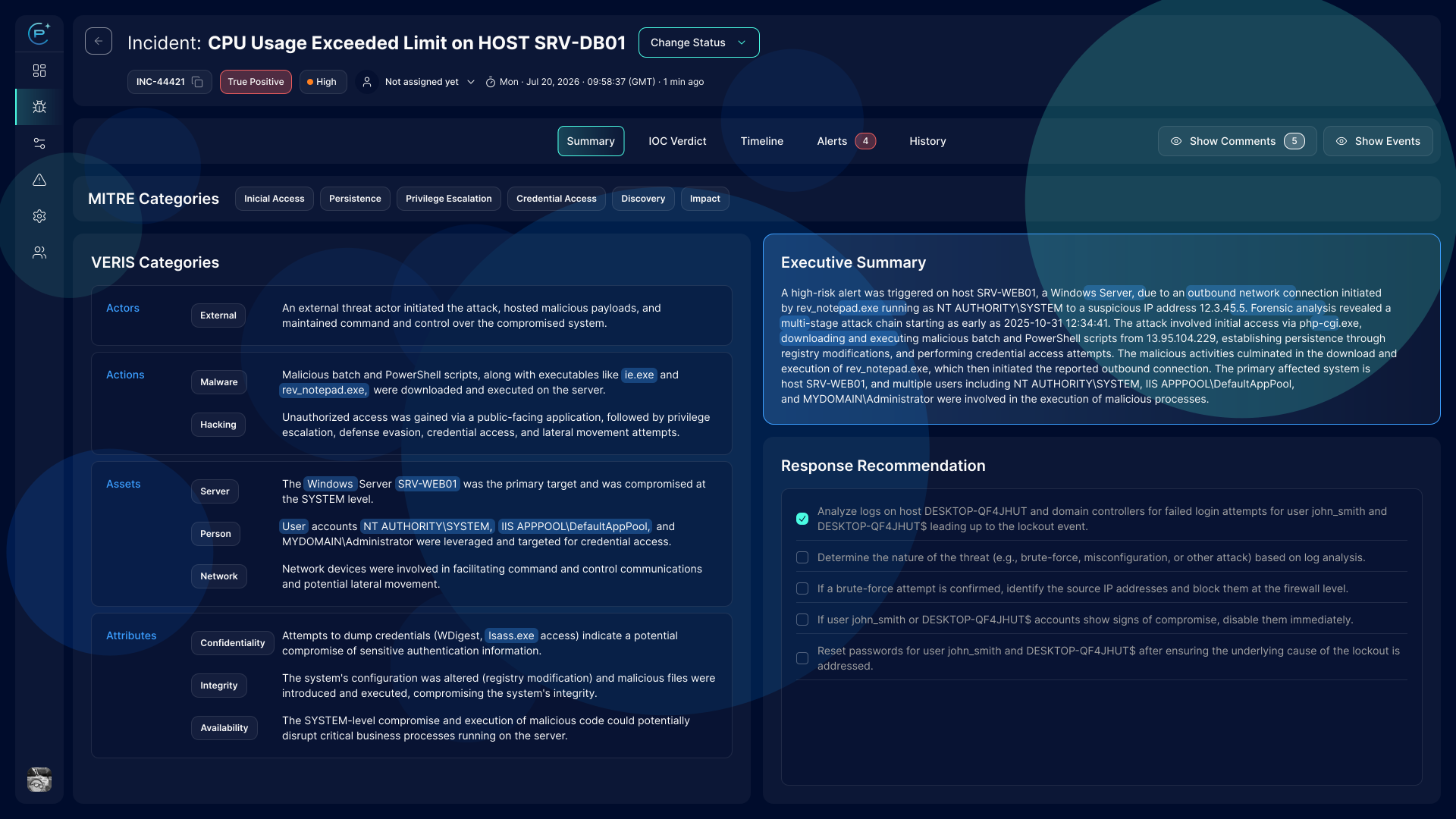
The investigation is already underway.
While analysts focus on decisions, PULZARIS gathers relevant evidence, connects related events, enriches threat context, and builds a structured incident assessment. The result: clear findings and recommended next steps, ready for human review.
04 / AI INVESTIGATION
The investigation is already underway.
While analysts focus on decisions, PULZARIS gathers relevant evidence, connects related events, enriches threat context, and builds a structured incident assessment. The result: clear findings and recommended next steps, ready for human review.
Your analysts don’t need more alerts. They need answers.
PULZARIS Analyst Agent handles the time-consuming investigation groundwork, bringing together evidence, context, and AI-generated findings. Your team gets the information it needs to validate threats and decide what happens next.
The workflow is designed around separate alert analysis, contextual enrichment, entity mapping, and business-risk-aware prioritization.
1
Alert/Incident Collection
Each alert is analyzed separately; the incident summary is generated when the alert-grouping window is closed.
Preserves chronological accuracy and keeps grouped incident context reliable.
2
Main Entity Selection
The subject of the alert becomes the focal point for subsequent queries and correlation steps.
Ensures targeted, relevant analysis instead of broad, noisy enrichment.
3
Contextual Queries
Windows logon, file modification, Kerberos, VPN, Azure, EDR, and packet context are queried automatically.
Accelerates evidence gathering and shortens investigation time.
4
Entity Mapping
User, host, and IP entities are mapped across data sets using infrastructure and logon context.
5
External & Internal Enrichment
Threat reputation checks and internal asset metadata enrich the analysis path.
6
Decision & Prioritization
Asset criticality and the number of affected hosts feed the incident priority model.
7
Investigation Output
Generates who/what/when/where/how summary, verdict, response guidance, and related suspicious events.
8
Human-in-the-Loop
Analysts stay in control of validation, escalation, and final operational decisions.

See the platform in action
Book a demo to explore how PULZARIS AI transforms alerts into analyst-ready decisions.